A Simple Guide to Indian Millets


One of the most unique aspects of Indian cuisine is its adaptability. Almost every dish has multiple versions, variations, and alternatives, making Indian food incredibly customizable to different tastes, dietary needs, and lifestyles. Even in bread, you can swap ingredients to make it more nutritionally balanced.
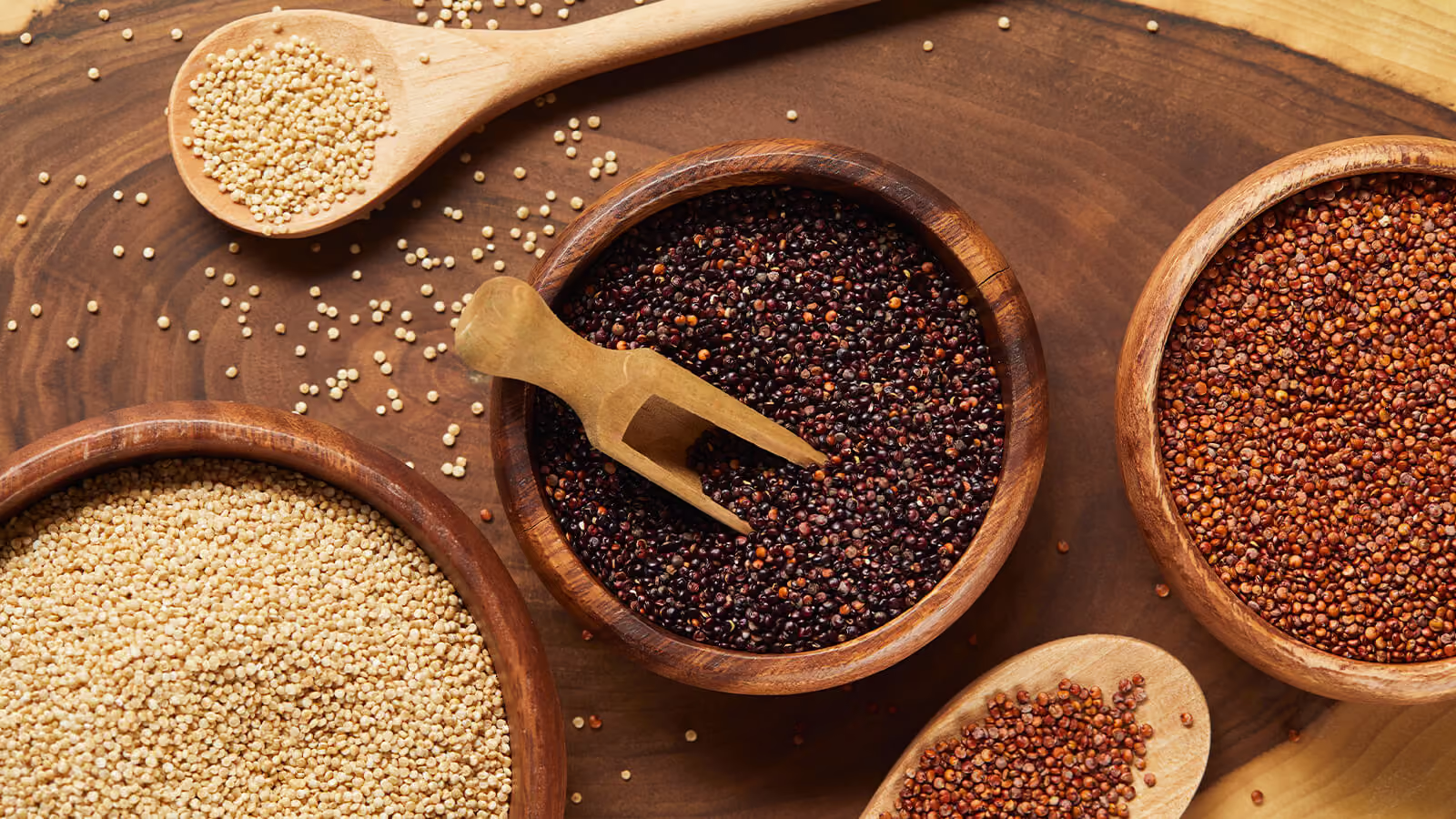
Every cuisine has a staple source of carbohydrates. In Indian cuisine, wheat and rice are used in various forms, and are the most common. With gluten sensitivity on the rise, the popularity of Indian millets as a healthier alternative has been on the rise. Millets are small-seeded cereal crops from the grass family. They are cultivated under hot, dry conditions.
India is the top producer of millets in the world. Indian millets are ancient, nutrient-rich grains that are naturally gluten-free and incredibly versatile in everyday Indian cooking. Millets have a low to medium glycemic index (GI), which means they cause a slower rise in blood sugar compared to white rice or refined wheat.
Below are some of the most commonly used Indian millets:
1. Bajra (Pearl Millet)
.avif)
Bajra is one of the most popular varieties of millet and is known for its high fiber and iron content. It typically has a yellow to greenish-grey color and a slightly coarse texture. Bajra roti is a winter favorite, especially in Gujarat and Rajasthan. Other popular dishes made with bajra include khichdi, porridge, dosa, upma, and halwa.
If you’re a roti lover looking for a healthier alternative to regular rotis, bajra roti is a great option. Making bajra roti can take a bit of trial and error; however, the nutritional benefits make it well worth the effort.
To prepare bajra roti, add bajra flour and salt to a mixing bowl and mix well. Gradually add warm water and knead into a soft dough. Let the dough rest for about 10 minutes. Divide it into small portions, roll each portion into a circular shape using a rolling pin, and place it on a hot griddle. Sprinkle a little water on each side and cook evenly until both sides are done.
Bajra roti is commonly served with dal, sabzi, and curries.
2. Jowar (Sorghum)
.avif)
Jowar is a staple grain in many regional cuisines of India. The grains are round and range in color from yellow to light brown. Jowar is rich in essential vitamins and minerals, making it a nutritious choice for everyday meals.
Popular dishes made with jowar include roti, puffed jowar (similar to popcorn), upma, dosa, and thepla.
3. Samak (Barnyard)
.avif)
Samak is a popular millet commonly used during Hindu religious holidays, especially for vrat (fasting). It is light, easily digestible, and often included in fasting meals. Samak rice kheer is considered a sattvic dish and is traditionally prepared during Navratri.
To make samak kheer, bring milk to a boil in a pan, then add pre-soaked samak rice and saffron. Cook for about 10 minutes, stirring occasionally. Once the samak is fully cooked, add sugar and nuts of your choice. Continue cooking for a few more minutes until the kheer thickens.
Samak kheer can be served hot or cold.
4. Ragi (Finger Millet)
.avif)
Ragi is commonly used in South Indian cuisine and is also known as Nachni in parts of North India. It is a nutritious millet, rich in calcium and iron. Ragi is brownish in color and has a mild, nutty flavor.
Popular dishes made with ragi millet include roti, porridge, ladoos, and dosas. Ragi dosa can be whipped up quickly. To make it, combine ragi flour, rice flour, yogurt, green chilies, onion, and cilantro in a mixing bowl. Mix well and allow the batter to rest for about 30 minutes.
In a separate pan, prepare a tempering with mustard seeds, cumin seeds, and curry leaves. Pour the tempering into the batter and mix well. In a heated oil griddle, pour a ladle of batter in a circular motion, and cook until golden on both sides. Serve the ragi dosa hot with coconut chutney.
Millets have been an integral part of Indian cuisine for centuries. Deeply rooted in tradition, Indian millets have long been used as everyday staples across different regions of the country. Each type of millet offers its own distinct texture, flavor, and nutritional profile. With the new year, if you are considering a lifestyle change, we recommend incorporating dishes made with Indian millets into your meals.